Press Ctrl+D (Cmd+D on a Mac) to bookmark this page.Open your browser's menu (⋮, or Share on an iPhone) and choose Add bookmark or Add to Home Screen to keep this page.
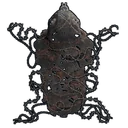
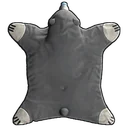
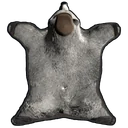
Bear Skin Rug
Deployable,Common,Blueprint
The Bear Skin Rug has 100 health once placed and takes 135 scrap to reach on the Workbench Level 1 tech tree.
Each swing charges the share of the cost for 50 health, rounded up to whole resources, and restores as much health as it paid for, which can be more than 50. Nothing can be repaired for 30 seconds after it takes damage.
Bear Skin Rug recycling
What the Bear Skin Rug gives back in each recycler
Bear Skin Rug stats, mechanics, and overview in Rust
In Rust, Bear Skin Rug is a deployable in the Deployables category (item ID #-1104881824, console shortname rug.bear). In active play, it follows standard server rules for deployable gear across procedural maps. Inventory storage holds a single unit per slot, and uncollected ground drops despawn after 5 minutes.
A decorative rug that can be placed on walls, floors, and ceilings. Provides comfort when in close proximity.
Blueprint unlock savings (game files): Research Table study (15 scrap) saves 120 scrap (89% less) vs the 135-scrap tech tree branch
Monument recycling yield: Radtown green units return 50% of ingredients (5s cycle), beating 40% yellow safe-zone units by +25%
Maintenance rule: Placed structures heal via direct Hammer strikes after combat cooldowns expire
Conveyor & locker automation: Filter by category or shortname rug.bear to auto-stock locker kits and storage boxes
Bear Skin Rug crafting, blueprint progression, and recycling in Rust
Crafting Bear Skin Rug in Rust takes 15 seconds by hand without a workbench once the 15 scrap blueprint node is unlocked, with all ballistics, crafting, and durability values read from the Rust game files. Shredding a spare copy at a green recycler recovers base materials at fifty percent yield (vs forty percent at safe-zone yellow units). Placed structures heal with a Hammer using raw materials from your inventory.
How Bear Skin Rug compares to related deployables in Rust
When choosing between Bear Skin Rug and related deployables in Rust, prioritize researching a looted or traded copy at a Research Table (15 scrap) whenever you want to skip the 135-scrap tech tree path and save 120 scrap, or unlock the tech tree branch when your group also needs the prerequisite blueprints.
Item
Category
Stack Limit
Craft / Source
Tech Tree / Research
Green Recycler Yield
Bear Skin Rug
Deployables
1 per slot
Crafted by hand
15 node / 135 path
Not recyclable
Rug
Deployables
1 per slot
Crafted by hand
15 node / 90 path
Not recyclable
Stone Sculpture
Deployables
1 per slot
Crafted by hand
No blueprint
Not recyclable
Ronald McDonald House UK Plushie
Deployables
1 per slot
Crafted by hand
No blueprint
Not recyclable
Related items
Compare Bear Skin Rug with closely related deployable sheets in the Rust item catalog:
Frequently asked questions about Bear Skin Rug in Rust
How much health does the Bear Skin Rug have in Rust?
The Bear Skin Rug has 100 health once placed in Rust. It belongs to the Deployables category under numeric ID -1104881824 across 168 deployables and despawns after 5 minutes when dropped on a default server across 168 published Deployables entries (158 with crafting blueprints).
How do you get the Bear Skin Rug in Rust?
The Bear Skin Rug is crafted by hand from 20 Leather, once the blueprint is learned in Rust. Raw ores smelt into metal inputs in a furnace while non-craftable components must be looted from monument crates before queuing the craft at your workbench.
Which crates drop the Bear Skin Rug in Rust?
The Bear Skin Rug drops from 3 container and NPC loot tables in Rust, led by Primitive Crate (4.8% chance), Tunnel Dweller and Underwater Dweller (2.2% chance), and Barrel (1.1% chance). Each listed probability reflects a single container opened or NPC killed, and found copies can be repaired or researched at base.
What does the Bear Skin Rug recycle into in Rust?
The Bear Skin Rug recycles in Rust at an unpowered green recycler into 10 Leather. Monument green recyclers shred items one unit at a time on fast radtown cycles, whereas safe-zone yellow units trade lower material recovery for peacekeeper protection.
How long does the Bear Skin Rug take to craft in Rust?
The Bear Skin Rug takes 15 seconds to craft, down to 3.75 seconds at Workbench Level 2 or 3 in Rust. It sits in the Deployables catalog with item ID -1104881824 alongside 167 related deployables across 168 published Deployables entries (158 with crafting blueprints).
How much does it cost to repair the Bear Skin Rug in Rust?
The Bear Skin Rug repairs in Rust once placed with a Hammer for up to 10 Leather at full wear (2 swings). Hammer repairs draw materials straight from your inventory with zero maximum-health penalty, provided the placed object has not taken damage within the last 30 seconds.
How much scrap is the Bear Skin Rug on the Rust tech tree?
Blueprint progression for Bear Skin Rug at Workbench Level 1 in Rust charges 15 scrap on the target node and 135 cumulative scrap along the prerequisite branch, while direct blueprint study at a Research Table charges 15 scrap.
How long does a dropped Bear Skin Rug take to despawn in Rust?
Dropped on the ground in Rust, the Bear Skin Rug despawns after 5 minutes by default. Picking it back up into a player inventory or storing it inside a base container immediately resets that ground despawn timer, which the server scales by item rarity tier.
What is the item ID for the Bear Skin Rug in Rust?
The Bear Skin Rug has 32-bit signed item ID -1104881824 and shortname rug.bear in Rust. Server plugins, custom loot tables, Vending Machine listings, and automated Industrial Conveyor filter strings reference these two identifiers under the Deployables category (stack limit 1 unit per slot).
What is the give command for the Bear Skin Rug in Rust?
Server administrators in Rust spawn the Bear Skin Rug in the F1 developer console by typing inventory.give rug.bear 1 or inventory.giveid -1104881824 1 for a single unit. Both console spawn commands require administrator or moderator privileges on the server, while regular players can bind a quick-craft shortcut key instead.

 PT
 ES
 FR
 DE
 PL
 TR
 JA
 RU
 ZH
 UA
 IT
 CS
 KO
 SV
 NL
 DA
 AR

 Leather